
Pennsylvania notary laws are changing effective March 28, 2026 — and these updates matter for both Pittsburgh notaries and the clients who rely on notarized documents across Allegheny County. If you use a mobile notary for hospital signings, nursing homes, real estate closings, or legal documents, it’s helpful to understand what’s changing and what to expect.
This article breaks down key updates in plain English and explains how they may affect mobile notarizations in the Pittsburgh area. (Reminder: This content is informational and not legal advice.)
Pennsylvania Notary Law Updates Taking Effect March 28, 2026
Pennsylvania is implementing updates aligned with the Revised Uniform Law on Notarial Acts (RULONA). In practical terms, this means clearer rules around notary equipment, recordkeeping, identity verification, and certain processes involving electronic and remote notarizations.
If you’re a mobile notary or a client scheduling a notarization in Pittsburgh, these changes are worth reviewing now so you’re prepared before March 28, 2026.
Key Changes Pennsylvania Notaries Need to Know in 2026
- Notary equipment and seal rules: Pennsylvania has updated standards for notary seals/stamps and required elements.
- Recordkeeping expectations: Clarified journal practices and privacy considerations for notary records.
- Identity verification guidance: More structured guidance on what qualifies as satisfactory evidence of identity.
- Electronic/remote notarization clarity: Updated direction for notaries who perform electronic notarizations and RON (where applicable).
Tip for clients: If you’re scheduling a notarization for a legal or real estate document, it’s always a good idea to have your valid ID ready and confirm whether witnesses are required before the appointment.
What the 2026 Notary Law Changes Mean for Pittsburgh Notaries
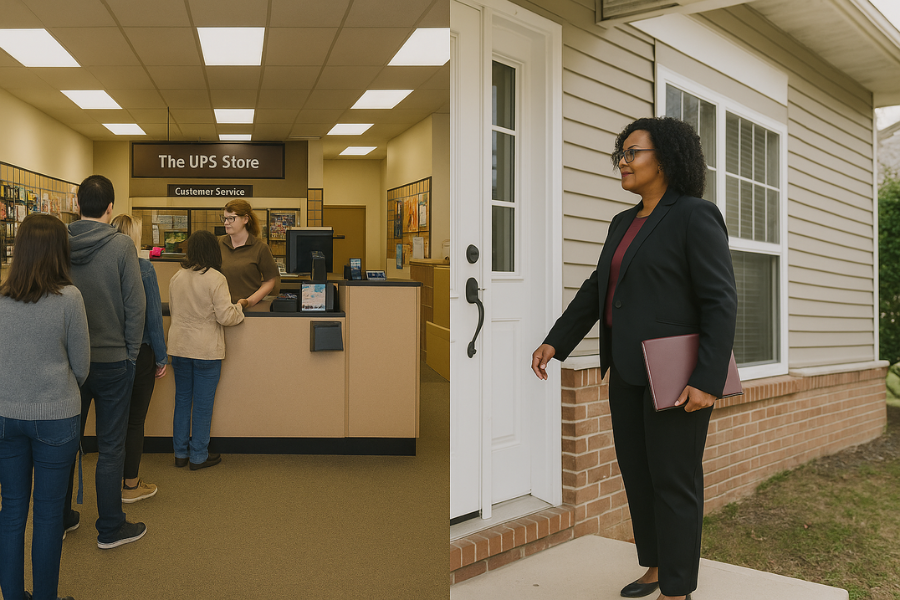
Mobile notaries in Pittsburgh frequently handle notarizations in hospitals, nursing facilities, homes, offices, and closing locations. The 2026 updates emphasize consistency and fraud prevention — which is especially relevant for mobile appointments where signers may have unique circumstances (medical settings, urgent timing, or limited document access).
For local service pages and appointment info, you can visit:
Frequently Asked Questions
Do these Pennsylvania notary law changes affect Pittsburgh notaries?
Yes. The updates apply statewide, including Pittsburgh and all of Allegheny County. If you’re commissioned in Pennsylvania, these rules are relevant regardless of where you perform notarizations.
Do mobile notaries in Allegheny County need a new seal in 2026?
Notaries commissioned or renewed on or after the effective date may need a seal that meets updated Pennsylvania requirements. If you’re unsure, check the current Department of State guidance or your notary education provider.
Will these changes impact hospital and nursing home notarizations in Pittsburgh?
They can. Clearer identity verification and journal expectations may affect how appointments are prepared, especially in medical settings where signers may have limited mobility or documentation.
Will these changes affect real estate or loan signing appointments?
Notaries can continue handling signings, but updated compliance expectations make it even more important to follow proper identification, certificate completion, and recordkeeping procedures.
Need help scheduling a mobile notary appointment? Use the service pages above to review options and plan ahead.
Need a Mobile Notary in Pittsburgh?
Signings By Marion provides same-day mobile notary services across Pittsburgh and Allegheny County. We come directly to your home, hospital, office, or senior facility.